2509991360 Lottery Call Alert: Block This Number Now
Introduction to the 2509991360 Scam
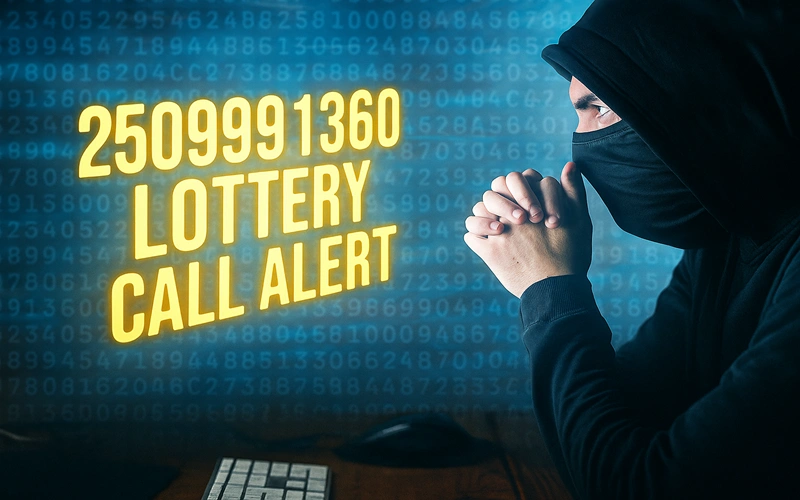
Have you ever picked up your phone and heard someone say you’ve won a huge lottery prize from a number like 2509991360? It sounds thrilling, but it’s often a trick! This number has been flagged by many people as part of a sneaky scam where fraudsters try to steal your money or personal information. In this article, we’ll break down everything about 2509991360 in a way that’s super easy to understand, like explaining it to a friend We’ll cover what the scam is, why it’s risky, how to stop these calls, and more. Our goal is to make you feel confident and safe by the end. Let’s jump in and learn how to protect yourself from these tricky calls!
How Lottery Scams Like 2509991360 Work
The Anatomy of a Lottery Scam
Lottery scams, including those tied to 2509991360, follow a pattern to trick people. First, you get a call or text saying, “Congratulations! You’ve won a lottery!” They might claim it’s from a well-known company or a fake one they made up. The goal is to get you excited so you don’t ask questions. Next, they ask for personal details like your name, address, or bank info to “process” your prize. Sometimes, they demand a payment for taxes, shipping, or fees—often through wire transfers or gift cards, which are hard to trace. Once you send money or info, they disappear, leaving you with nothing.
Read More: 18447560789
Why These Scams Succeed
Why do people fall for calls from 2509991360? Winning money sounds amazing, and scammers know that. They use tricks like fake enthusiasm or pressure, saying things like “Claim your prize in 24 hours, or it’s gone!” They might even know a bit about you from data leaks online, making the call seem real. These scams often target busy people, older adults, or anyone who might not double-check. According to the Federal Trade Commission, lottery scams cost people billions yearly, with thousands falling victim to numbers like 2509991360.
Common Tactics Used by Scammers
Scammers are clever. They use scripts to sound professional, fake accents to seem official, or even call at odd hours to catch you off guard. They might say they’re from a government agency or a famous lottery. Some use “spoofing” tech to make 2509991360 look like a local number. The key is to know that real lotteries don’t call you out of nowhere, and they never ask for money upfront. If you didn’t buy a ticket, you can’t win!
Why Blocking 2509991360 Is Crucial
Stopping Annoying and Risky Calls
Blocking 2509991360 is one of the best ways to protect yourself. These calls can come at any time, interrupting your day or even waking you up. If you answer, scammers are trained to keep you talking, using friendly tones or scary threats like “You’ll face legal trouble if you don’t pay!” Blocking stops them from bothering you again, giving you peace of mind. It’s like locking your door to keep out unwanted visitors.
Protecting Your Personal Information
Even if you don’t send money, just talking to scammers can be risky. They might trick you into sharing small details like your address or habits, which they can use for bigger scams or sell to others. Numbers like 2509991360 often call repeatedly, sometimes daily, which is stressful and annoying. Blocking prevents this and reduces the chance of identity theft, where scammers use your info for crimes like opening fake bank accounts.
Helping the Community
When you block 2509991360, you’re not just helping yourself—you’re helping everyone. Phone companies and apps track blocked numbers to identify scam patterns. If enough people block and report, it can lead to shutting down these numbers. Teaching kids and family to block unknown numbers also sets a great example, making everyone safer.
Recognizing Scam Calls from 2509991360
Red Flags to Watch For
Spotting a scam is easy once you know the signs. Here are some clues for calls from 2509991360:
-
Unsolicited Contact: If you didn’t enter a lottery, why are they calling?
-
Pressure Tactics: They push you to act fast, like “Pay now or lose your prize!”
-
Money Requests: Real lotteries don’t ask for fees to claim winnings.
-
Strange Details: Poor English, odd accents, or noisy call centers are red flags.
-
No Verification: They won’t let you check with official lottery sources.
Other Warning Signs
Scammers might use international numbers or spoofed local ones. Texts from 2509991360 might have bad grammar or ask for gift cards or Bitcoin—big warnings since those are hard to trace. Trust your instincts: If the call feels weird, hang up. Teaching these signs to kids helps them stay safe too.
Step-by-Step Guide to Blocking 2509991360
iPhones
-
Open the Phone app and go to “Recent Calls.”
-
Find 2509991360 in the list.
-
Tap the “i” icon next to the number.
-
Scroll down and select “Block this Caller.”
-
Confirm, and you’re done!
On Android Phones
-
Open the Phone app.
-
Find 2509991360 in your call log.
-
Long-press the number.
-
Tap “Block” or “Add to Block List.”
-
Confirm to stop future calls.
Landlines
Check with your phone provider. Many offer call-blocking services or devices that filter scam numbers. Some let you block specific numbers like 2509991360 through a website or customer service.
Using Call-Blocking Apps
Apps like Truecaller, Hiya, or RoboKiller can automatically block known scam numbers. Download one, set it up, and add 2509991360 to the block list for extra protection.
Reporting the Number
After blocking, report 2509991360 to authorities like the Federal Trade Commission (FTC) in the US or your local consumer protection agency. This helps track scammers and warn others.
Real-Life Stories of Lottery Scam Victims
Sarah’s Story
Sarah, a teacher from Texas, got a call from a number like 2509991360 claiming she won $500,000 in a lottery. Excited, she paid $200 in “processing fees” via a wire transfer. The caller vanished, and Sarah lost her savings. She felt embarrassed but shared her story online to warn others, helping her heal.
Raj’s Experience
Raj, a student in India, answered a call from 2509991360 promising a car prize. They asked for his bank details to “verify” him. Days later, his account was hacked, and he lost thousands. Raj’s family reported it to the police, but recovering the money was tough. His story shows anyone can be a target.
Learning from Victims
These stories prove scams can hit anyone, but sharing them builds awareness. Online support groups let victims connect and learn, showing you’re not alone if it happens to you.
The Legal Consequences for Scammers
Laws Against Phone Scams
Scamming is illegal in most countries. In the US, the FTC can fine or jail fraudsters behind numbers like 2509991360. Internationally, groups like Interpol track cross-border scams. Penalties include years in prison or hefty fines, but catching scammers is hard since they often operate from other countries.
How Victims Can Fight Back
If you’re scammed, report to your bank immediately—some offer refunds for fraud. File a complaint with authorities to help track the scammers. Laws protect victims, so don’t feel ashamed; take action to recover and prevent more scams.
Additional Ways to Stay Safe
Use Technology Wisely
Install call-screening apps to filter unknown numbers. Let voicemail handle calls from numbers you don’t recognize. Apps like Nomorobo can block 2509991360 automatically.
Educate Your Family
Teach kids and older relatives about scam signs. Make a family rule: Don’t share personal info over the phone. Practice saying “no” to strange callers.
Secure Your Data
Avoid sharing personal info online where scammers can find it. Use strong passwords and check for data leaks on sites like Have I Been Pwned.
Stay Informed
Subscribe to anti-scam newsletters or follow consumer protection agencies for updates on numbers like 2509991360. Knowledge is power!
Table: Common Scam Types and Prevention Tips
|
Scam Type |
Description |
How to Avoid |
|---|---|---|
|
Lottery Win |
Fake prize calls asking for fees |
Hang up; verify with official sources |
|
Tech Support |
Claim your computer is hacked |
Don’t give remote access; call real support |
|
IRS/Government |
Threaten arrest for taxes |
Government doesn’t call for payments |
|
Romance |
Build trust online, then ask for money |
Meet in person; be cautious with strangers |
|
Investment |
Promise quick riches |
Research; use licensed advisors |
This table helps you spot scams beyond 2509991360 and stay safe.
The Technology Behind Scam Calls
Scammers use Voice over Internet Protocol (VoIP) to make cheap calls from anywhere, hiding their location. Spoofing tech makes 2509991360 look local. Some use AI-generated voices to sound real. But good tech fights back—AI-powered blockers analyze call patterns to stop scams before they reach you.
The Global Impact of Phone Scams
Phone scams cost billions yearly—$10 billion in 2023 alone, per global reports. Developing countries face more due to weaker regulations, but scams hit everywhere. Numbers like 2509991360 target millions, especially vulnerable people. Awareness campaigns and reporting reduce victims, so share this article to help!
What to Do If You’ve Been Scammed
Act Fast
If you shared money or info with 2509991360, contact your bank immediately. They might reverse transactions or freeze your account. Report to police or consumer agencies to start an investigation.
Protect Your Accounts
Change passwords for your bank, email, and other accounts. Enable two-factor authentication for extra security.
Seek Support
Join online victim support groups to share your story and get advice. It’s okay to feel upset—talking helps you recover and warn others.
Conclusion
Calls from 2509991360 might sound exciting, but they’re a scam designed to trick you. By understanding how these frauds work, spotting red flags, and blocking the number, you can stay safe. Share this knowledge with friends and family to protect them too. If you’ve been scammed, act fast to report and recover. Let’s work together to make these scams a thing of the past!
FAQ Section
1. What should I do if I get a call from 2509991360?
Hang up immediately and don’t share any information. Block the number using your phone’s settings or a call-blocking app. Report it to authorities like the FTC to help stop the scam.
2. Can I get my money back if I paid a scammer?
It’s tough but possible. Contact your bank right away—some offer refunds for fraud. File a police report and work with consumer protection agencies. Act fast for the best chance.
3. How do I know if a lottery call is real?
Real lotteries don’t call you out of the blue or ask for money upfront. If you didn’t buy a ticket, you can’t win. Check with the official lottery website or office to verify.
4. Are there apps to block scam calls like 2509991360?
Yes! Apps like Truecaller, Hiya, and RoboKiller can block known scam numbers. They’re easy to set up and add an extra layer of protection.
5. Why do scammers use numbers like 2509991360?
Scammers use these numbers because they’re cheap to get through VoIP services and can be spoofed to look local, tricking you into answering. Blocking them stops the hassle.
Read More: 5144181384