How Do You Use an Oscilloscope?
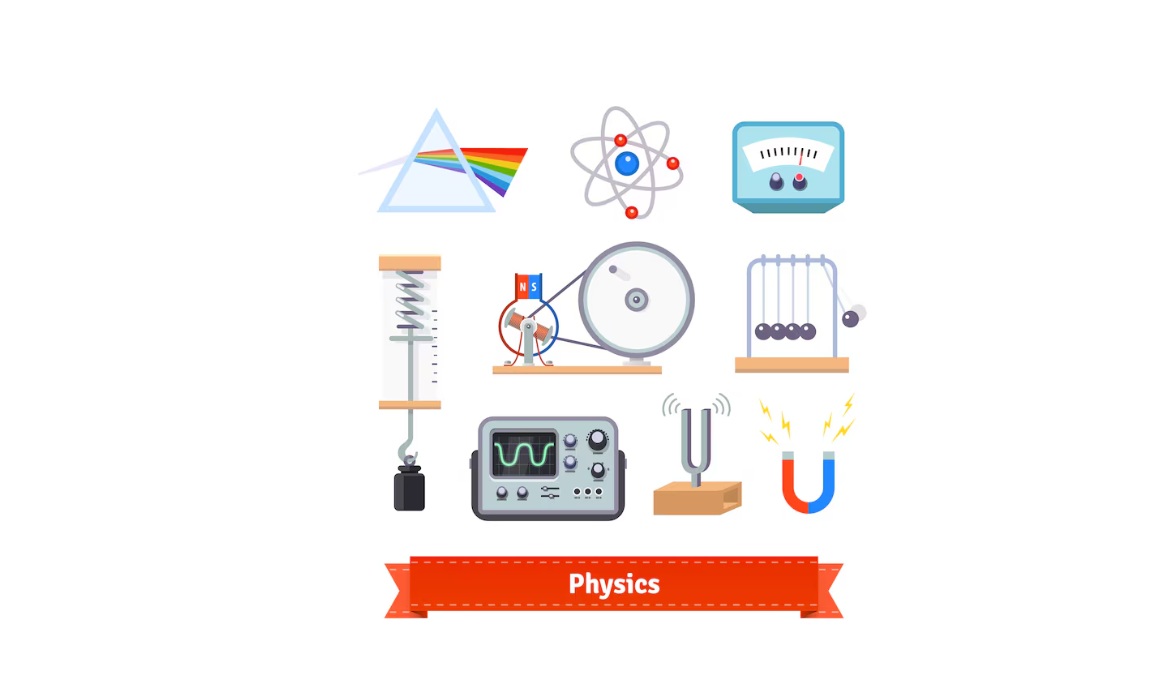
An oscilloscope is used to display and measure electrical signals over time. It helps you analyse voltage, timing, frequency, pulse behaviour, and signal quality, making it one of the most important tools in electronics testing and troubleshooting.
Why is proper grounding important when using an oscilloscope?
Proper grounding protects both the user and the circuit being tested. The oscilloscope must share a safe reference point with the circuit so measurements are accurate and shock risk is reduced.
Grounding matters because it:
- Protects you from hazardous voltage
- Protects sensitive ICs from static damage
- Gives the oscilloscope a stable measurement reference
- Reduces the risk of damaging the test circuit
For broader background, see oscilloscope.
How do you set up an oscilloscope before measuring?
Set the oscilloscope to a known starting position before connecting to a live signal. This makes the waveform easier to find, stabilise, and measure.
A basic setup includes:
- Display channel 1
- Set input coupling to DC
- Set trigger mode to auto
- Set trigger source to channel 1
- Start with mid-range volts/division and time/division settings
- Adjust scale until the signal fills the display without clipping
How do you connect oscilloscope probes correctly?
Oscilloscope probes require two connections: the probe tip and the ground clip. The ground clip connects to a known circuit ground, while the probe tip touches the signal point being measured.
Passive probes should usually be compensated before use. This ensures the probe and oscilloscope are electrically matched, which improves measurement accuracy and avoids distorted square-wave readings.
What can you measure with an oscilloscope?
An oscilloscope primarily measures voltage and time, but these measurements allow you to calculate or inspect many other signal properties.
Common measurements include:
- Peak voltage
- Peak-to-peak voltage
- Signal period
- Frequency
- Pulse width
- Rise time
- Duty cycle
- Signal distortion
How do you measure voltage with an oscilloscope?
Voltage is measured using the vertical scale. Count how many vertical divisions the waveform spans, then multiply that by the volts-per-division setting.
For example, if a waveform spans 4 divisions and the scope is set to 2V/division, the measured voltage is 8V. Modern digital oscilloscopes often include automatic voltage measurements and cursors for faster readings.
How do you measure time and frequency with an oscilloscope?
Time is measured using the horizontal scale. Count how many horizontal divisions one full cycle occupies, then multiply by the seconds-per-division setting.
Frequency is the reciprocal of period:
Frequency = 1 ÷ Period
For example, if one cycle takes 1 millisecond, the frequency is 1,000 Hz.
When should you choose a 4-channel oscilloscope?
A 4-channel oscilloscope is best when you need to compare multiple signals at once, such as clock, input, output, and control signals in the same circuit. This makes it especially useful for embedded systems, mixed-signal debugging, power electronics, and professional bench testing.
If you are comparing current models, this guide to the best 4-channel oscilloscopes is useful: https://electricalunits.com/electronics/best-4-channel-oscilloscopes-2026-professionally-tested/
Final Thoughts
Using an oscilloscope comes down to safe grounding, correct probe setup, stable triggering, and careful scaling. Once you understand voltage and time measurements, you can use a scope to diagnose signal problems, verify circuit behaviour, and make more confident electronics decisions.